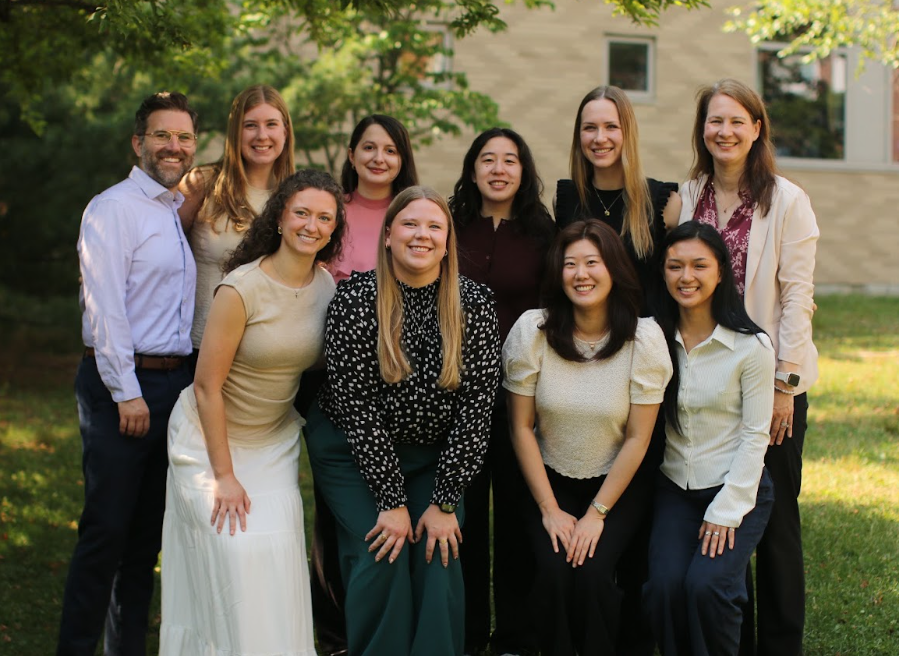
Over my 25-year career, I have been so fortunate to have outstanding role models and mentors who have helped guide and shape me into the person and pharmacist I am today. My 'why' as an educator is about investing in others in the same way so many people have invested in me. Learning is a lifelong journey and I am energized by learners and preceptors who push me out of my comfort zone daily to achieve our shared goals.
– Gail M. Sanchez, PharmD, BCPS, DPLA
PGY-1 CHA Pharmacy Residency Program Director
My role allows me to foster curiosity, help students cultivate their own distinct practice styles, and hone critical thinking capabilities. It also pushes me to continuously grow as both a practitioner and mentor, ensuring mutual support between educators, learners, and the patients we serve. Witnessing a learner mature across all these dimensions and knowing I contributed to that journey is immensely gratifying.
– Garrett Lech, PharmD, BCAP, DPLA,
PGY-2 CHA Pharmacy Program Residency Director
Tell us a bit about the training required to become a Pharmacist in the U.S.?
After obtaining a Doctor of Pharmacy Degree (PharmD) from an accredited pharmacy college and completing 1,500 intern hours, graduates take two required licensing exams, one covering clinical competency and the other covering state/federal law. About half of graduates pursue the option of competitive postgraduate training (residencies or fellowships).
What graduate pharmacy training do we have at CHA?
CHA's PGY-1 pharmacy residency program launched in AY17-18 and has graduated 33 trainees, 16 of whom pursued further postgraduate training. Last academic year, CHA added a PGY-2 ambulatory care residency, graduating its first trainee in June 2026. Our pharmacy residency programs serve as a pipeline; we hire 50% of graduates into various roles across all 3 service lines: retail specialty, inpatient and pharmacotherapy.
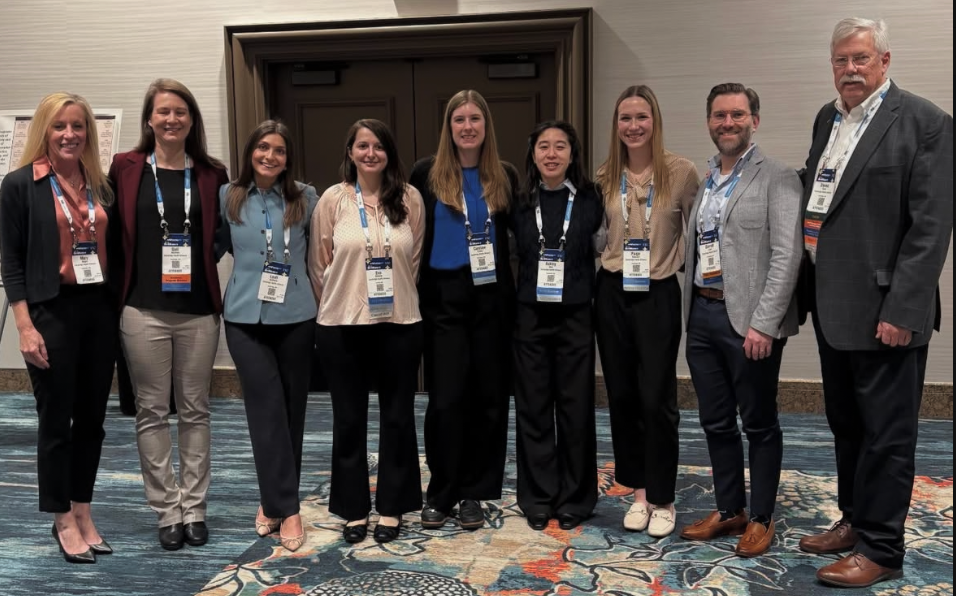
Currently, our program is supported by 30 devoted pharmacist preceptors. The dedicated efforts of our preceptors and residents are made possible through the vision and continued support of members of our Pharmacy Enterprise leadership team– Steve Cano, Mary Regan, and Monica Akus – who continually inspire us to strive for excellence.
Can you share some innovations in Pharmacy training at CHA?
Our pharmacy residents are key stakeholders in a longitudinal quality improvement project. We pride ourselves on making sure these projects are impactful and meaningful to the Pharmacy Enterprise, the CHA strategic plan and our community at large. Residents present their research in a variety of forums including at local and national meetings. Please click the link to see recent residency projects.
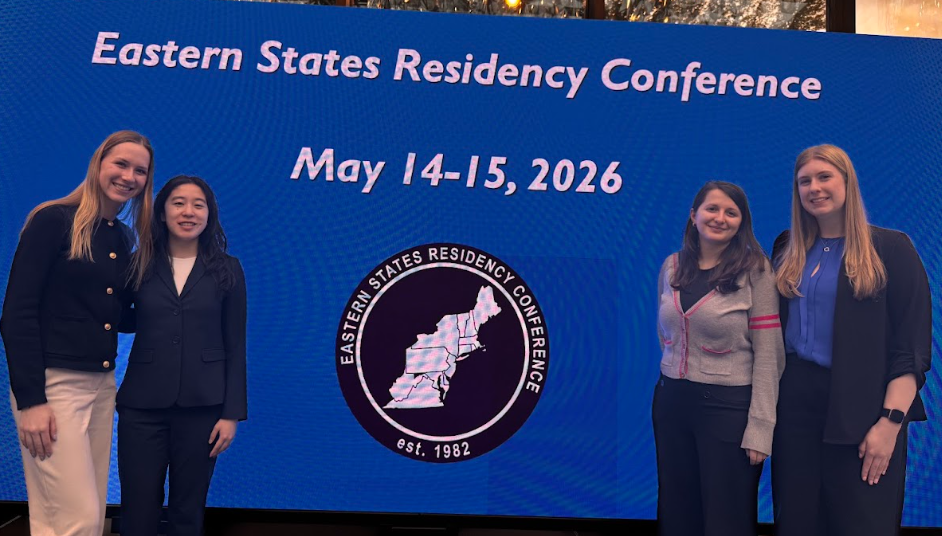
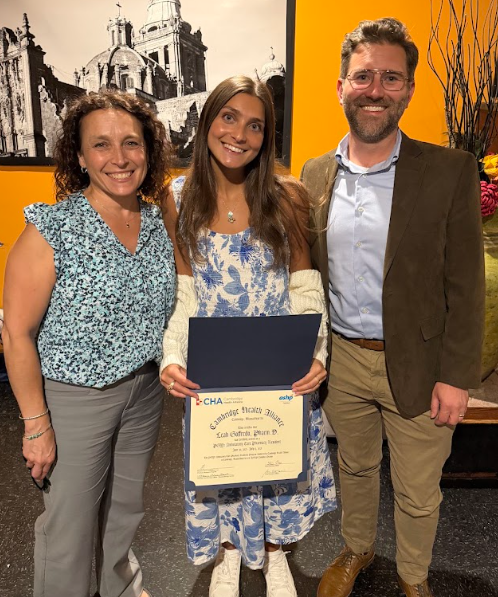
For more information about the CHA Pharmacy Residency Programs, please visit our website, link found here. Please follow us on X and Instagram @CHAPharmRes
What are your predictions of the future of pharmacy training?
We anticipate (and hope) that postgraduate training becomes a regulatory requirement as the world of clinical pharmacy continues to specialize and evolve.
At CHA, we would love to see our pharmacy training programs expand in both the number of residents we take annually and the type of programs we offer in order to further align training with the patient populations we serve. Potential areas for program expansion include psychiatry, specialty services and pharmacogenomics,
We don’t think any profession can ignore the role and potential impact of AI. As clinicians and educators we are taking steps to understand the ways in which AI will impact pharmacy residency training and are excited to embrace the inevitable changes.
For more information about the CHA Pharmacy Residency Programs, please visit our website, link found here.