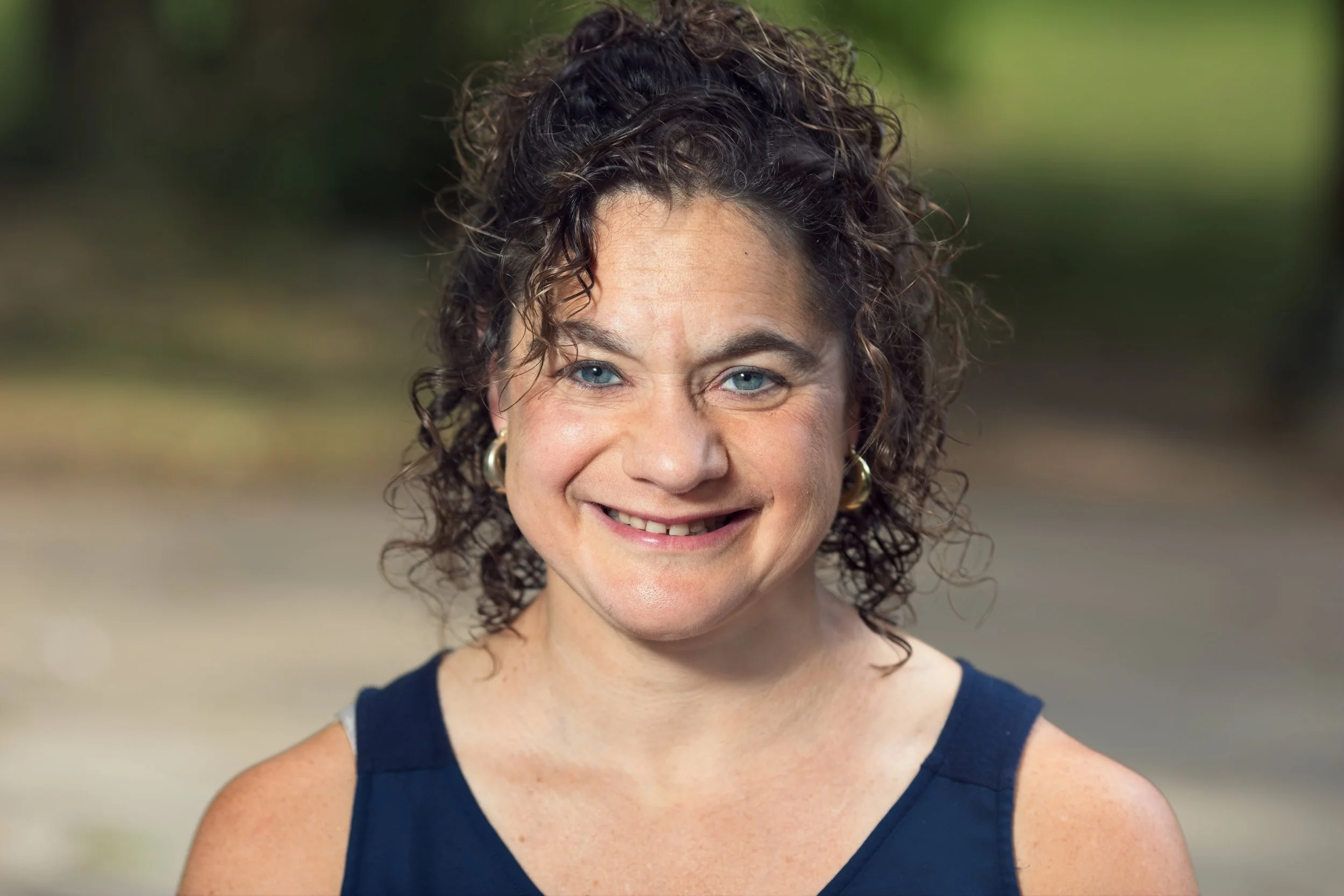
With each newsletter, we include a spotlight on a CHA researcher. We ask them to share their accomplishments, and also a bit about what has motivated their work, and contributes to a sense of meaning, purpose and joy.
Dr. Randi Sokol shares some of her professional journey with us.
Addiction work = happiness because it feels real and tangible. It touches on life’s values. We meet people where they are at and we help them keep growing. -Randi Sokol
When I arrived at CHA 14 years ago, I quickly realized that the alternative to prescribing buprenorphine for opioid use disorder was patients overdosing on the street. I threw myself into learning about addiction, a topic I know very little about, and trusted that my patients would teach me more than I could EVER learn from a book!
So, why do you love this work so much? When I work with patients struggling with addiction, I see their lives change in meaningful ways, or as a colleague of mine once joked, “treating addiction is like a reverse country song.. Patients get their dog back, their truck back, their kids back… all the things that matter.”
We often see patients when they are at their worst -- frequenting the ED or admitted to the hospital in the throes of addiction behaviors.This is a ripe time to engage them and connect them to outpatient resources to support them over time in recovery.
Fast forward 14 years: We have implemented, spread and studied Group Based Opioid Treatment (GBOT) to help patients along their recovery journey. On average we have 350 patients, 15 groups, and numerous providers (physicians and PAs, nurses, medical assistants, recovery coach, and admin staff) regularly running groups. We’ve had some patients in our recovery groups for over a decade and we are continuously bringing new patients on board. Providers, who are part of group, witness the “magic” that occurs in group, and we all look forward to group each week!
What is the research evidence that CHA GBOT groups work? To capture the value of this model of care from the patients’ perspective, my colleagues and I have published a qualitative study in which patients share how group holds them accountable to each other, they feel a sense of connected shared identity, and they feel that group is a safe place to be honest and express their struggles and triumphs. And it increases access to life-saving medications.
To encourage other health systems to adopt this model, we published several implementation science papers detailing the core operations of GBOT (1, 2, 3). Drawing from stakeholder interviews, focus groups, and iterative PDSA cycles—including our rapid pivot to virtual groups during the COVID-19 pandemic—we identified the key ingredients to GBOT’s success: a multidisciplinary team model, consistent engagement, and a safe, nonjudgmental community. Notably, our findings showed that common concerns like strict urine drug testing, expert facilitators, and rigid curricula are not essential. These insights have enabled me to present nationally and consult with health systems to adapt group models flexibly based on local culture and resources. As we move forward, we'll be conducting efficacy studies to demonstrate how group leads to increased retention and decreased relapse rates. I view research as an advocacy tool to stimulate changes in practice that impact our patients.
Can you tell us a bit about your role as an educational leader at CHA and nationally? Evidence-based curricula equip current providers and the next generation to learn to care for patients struggling with addiction. So with help from a David H Bor Library Fund Grant, I co-created the Society of Teachers in Medicine’s national addiction curriculum to inspire increased competence and confidence in this important work. And in 2023 I became the founding Program Director of CHA’s multi-specialty Addiction Medicine Fellowship. And more recently I became a co-lead of the CHA Academy of Educators Special Interest group with Ellie Grossman and _David Dayan-Rosenman.
.Anything more you want to share? Yes, a big thank you to my CHA colleagues! My research over the past decade represents the collaborative efforts of colleagues across multiple disciplines---physicians, PAs, nurses, medical students, fellows-- and departments-- family medicine, internal medicine, psychiatry, emergency medicine. We all learn from each other, and in the process continually improve the system we work in. And, one final “shout out” to our patients who keep this work authentic and teach us something new every day.
CHA Center for Professional and Academic Development